If you suspect your property contains asbestos, it’s important not to rely on your own assessment. Many asbestos containing materials look almost identical to modern alternatives, making them difficult to identify without professional expertise. At Cordtape Environmental, we help homeowners, landlords, businesses, and contractors across the UK identify asbestos safely through professional surveys and sampling, giving you the confidence to make informed decisions before any work begins.
Whether you’re purchasing an older property or are simply concerned about suspicious materials you’ve found in your home, we’ve outlined the most common signs that asbestos may be present and what steps you should take next.
Is asbestos easy to identify?
Unfortunately, many forms of media have created the misconception that asbestos has a distinctive appearance, resembling insulation fibres or artex ceilings. However, this is simply not true. There are many different types of asbestos with their own colours and textures and, when combined with other products to create the materials we are familiar with in our homes, can be completely indistinguishable from other similar materials.
The only way to accurately identify asbestos containing materials (ACMs) is through professional survey and analysis.
Depending on the product, asbestos may appear:
- Smooth or textured
- White, grey, brown or blue
- Hard like cement
- Soft like insulation board
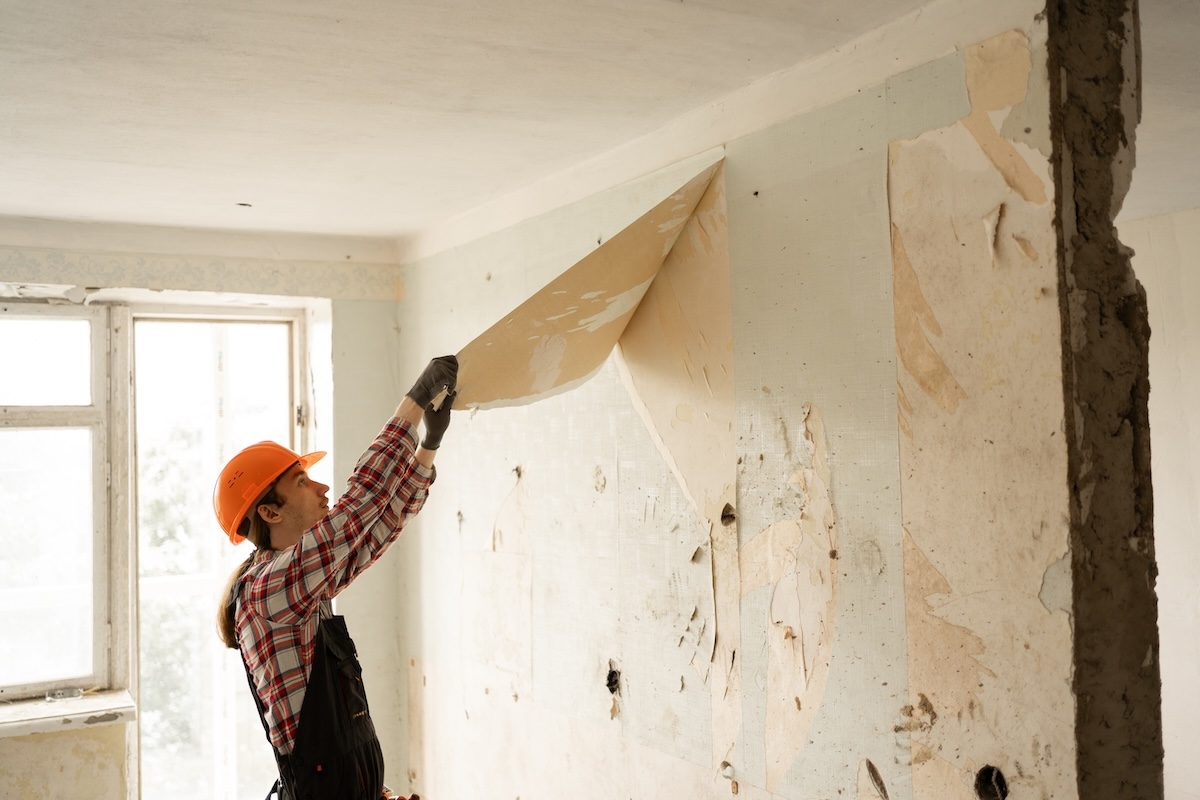
- Hidden behind paint, plaster or wallpaper
Although this can sound frightening, in most cases asbestos is only dangerous when it has been disturbed and fibres/dust are released into the air.
When was your property built?
One of the easiest ways to assess the likelihood of asbestos is by considering the age of your property. As a general rule:
- Built before 1985: High likelihood that some asbestos containing materials are present.
- Built between 1985 and 1999: Asbestos may still be present, although it became less common as restrictions increased.
- Built after 1999: Asbestos is highly unlikely because its use had been prohibited in the UK.
However, a number of properties built before 1999 have undergone renovation or asbestos removal work that would mean it is now free from asbestos. Therefore, you do not need to automatically worry if you move into a home built before the 1980s.
Signs that your home has asbestos
Although asbestos cannot be identified visually with complete certainty, there are several indicators that increase the likelihood a material contains asbestos.
Your property was built before 2000
Age remains one of the strongest clues. If your property was built before asbestos was banned, it is sensible to assume asbestos could be present until proven otherwise. This is particularly important before carrying out refurbishment work, as asbestos is often hidden behind finishes that have remained untouched for decades.
However, the use of ACMs in construction was banned in 1999 so if you are moving into a property that was built after this date, you can rest assured that there is unlikely to be asbestos anywhere in your home.
It is mentioned in your property listing
If the previous owner was aware of asbestos present in the property then they have a legal responsibility to declare this to the estate agent who is selling it as stated in the Consumer Protection Against Unfair Trading Regulations 2008.
Likewise, the estate agent has a duty to declare the presence of asbestos. Therefore, it is always prudent to check the material information of a property before purchase to make sure you are aware of any known issues with asbestos.
Material in your property looks older than the surrounding building
Sometimes individual building components are noticeably older than the rest of a property. Although this doesn’t automatically indicate the presence of asbestos, you should pay attention to any deterioration to these areas, particularly if they are:
- Older garage roofing
- Original ceiling tiles
- Ageing insulation boards
- Older floor coverings beneath newer flooring
- Fireproof cladding
The material appears cement like
Many asbestos products were manufactured using cement. While asbestos cement is generally lower risk than other asbestos materials, it can still release fibres if damaged.
Asbestos cement was used in the manufacture of:
- Corrugated roofing sheets
- Soffits
- Gutters
- Downpipes
You have old insulating board
Asbestos insulating board (AIB) is one of the higher risk asbestos materials because it contains a relatively high proportion of asbestos and is more friable than asbestos cement. Because it can look almost identical to modern boards, professional sampling is essential.
AIB often resembles ordinary plasterboard or fibreboard and was commonly used around fire doors and partition walls.
There are damaged insulation materials
Old pipe lagging, sprayed insulation and loose insulation materials are among the highest risk asbestos products. If these materials are disturbed, they can release significant numbers of airborne fibres.
Signs may include:
- Crumbling insulation
- Exposed pipe coverings
- Damaged insulation wraps
- Fibrous material around heating systems
Textured coatings on ceilings or walls
Decorative textured coatings, including some applied before the late 1990s, may contain asbestos. Not every textured coating contains asbestos, and they cannot be identified by appearance alone.
If you plan to scrape, sand, or remove textured coatings, professional testing should always be carried out first.
What does asbestos look like?
Asbestos appears differently depending on its application. For example, different types of asbestos are different colours. It is composed of microscopic fibres that are invisible to the naked eye, which means that when it is included in other materials like paint, sealants and cement, it can’t be identified without laboratory testing.
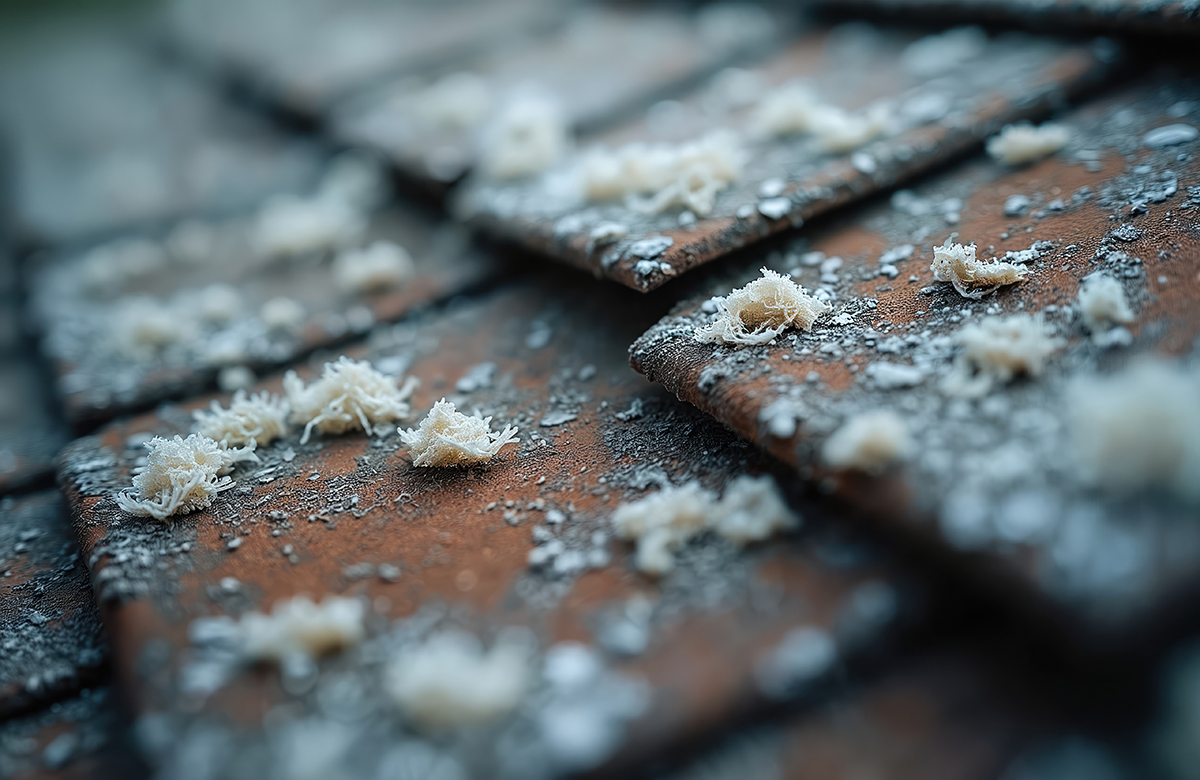
Raw asbestos is recognisable by its soft and fluffy texture.
It is sometimes said that you can identify the presence of asbestos by the surface texture of a wall in your home or the appearance of insulation, however this is false. If you suspect there is asbestos present in your property then you must contact professional Asbestos Surveyors for safe sampling.
If someone claims they can identify asbestos simply by looking at it, you should be cautious. Even experienced surveyors rely on sampling to confirm whether asbestos is present.
Can you identify asbestos yourself?
You may be tempted to search online for photographs hoping to compare materials in your property. While images can help you understand what asbestos products often look like, they should never be used to make a definitive identification.
But, can you take your own asbestos samples? Trying to identify asbestos yourself carries serious risk of disturbing the material while inspecting it. The safest approach is always to leave suspect materials untouched until they have been assessed.
You should never:
- Break pieces off for inspection
- Sand or scrape suspect materials
- Drill into walls or ceilings
- Cut samples yourself
- Attempt DIY testing
What to do if you disturb asbestos.
What should you do if you find asbestos in your home?
If you suspect that you have ACMs in your home, garage, or garden, it’s important to take immediate action to ensure the safety of you and your family.
- Don’t disturb it: Asbestos is most dangerous when it is disturbed. Don’t attempt to remove or repair the material yourself.
- Hire a professional: Get in touch with a licensed asbestos removal specialist who can safely assess, test, and remove any ACMs.
- Get an asbestos survey: If you live in an older property, having a professional asbestos survey conducted can help you identify hidden asbestos risks.
- Ensure safe disposal: Asbestos should only be removed and disposed of by certified professionals to ensure it is handled and disposed of safely.
How is asbestos identified?
The only reliable way to determine whether a material contains asbestos is through professional sampling and laboratory analysis.
A qualified surveyor will carefully collect a small sample using controlled techniques designed to minimise fibre release. The sample is then analysed under laboratory conditions to determine whether asbestos is present and, if so, what type of asbestos it contains.
Depending on your plans for the property, you may require:
- An Asbestos Management Survey, which identifies asbestos during normal occupation and helps you manage it safely.
- An Asbestos Refurbishment and Demolition Survey, which is required before refurbishment or demolition work where asbestos could be disturbed.
At Cordtape, we can assist you in locating and identifying Asbestos Containing Materials in your home with our Asbestos Survey and Sampling service. If we do locate the presence of asbestos, our Asbestos Removal team will extract it from your premises in accordance with Control of Asbestos Regulations 2012.
Our team is fully qualified to manage all aspects of asbestos assessment, removal, refurbishment and waste management.