
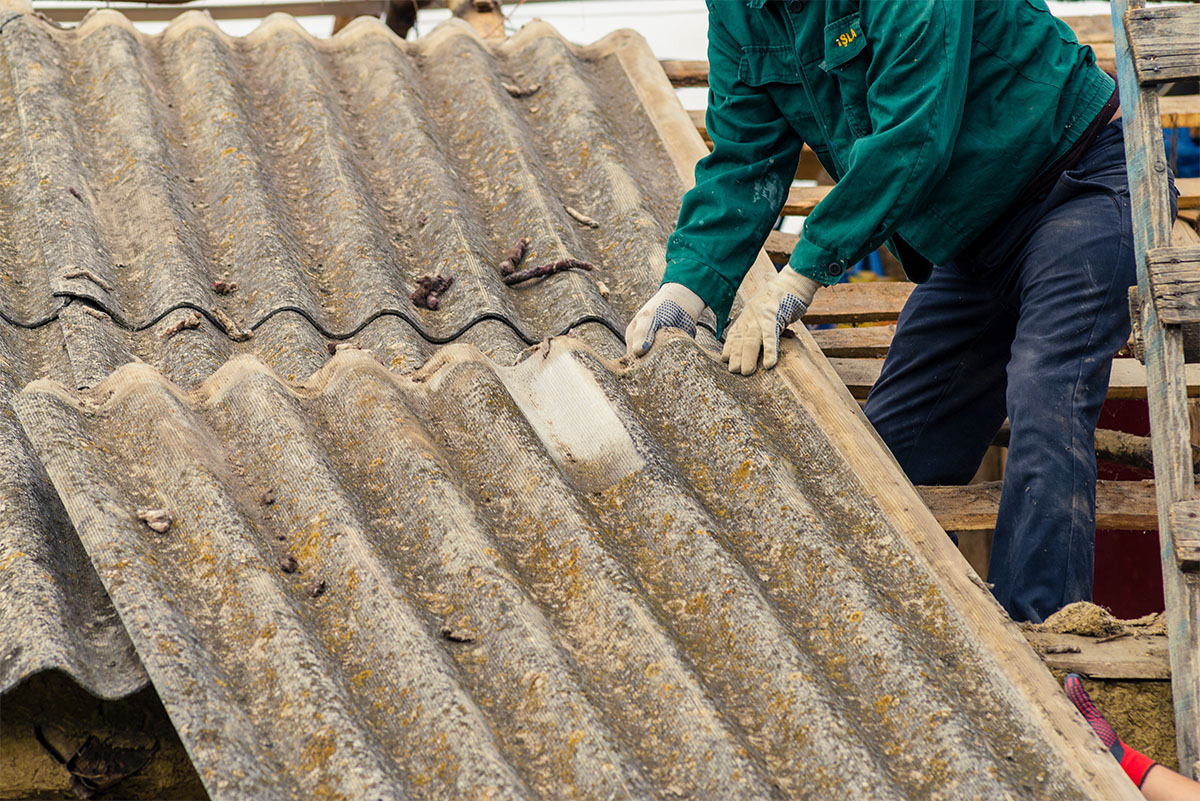
Despite strict regulations governing asbestos management in the UK, instances of illegal asbestos removal still occur. Whether it’s untrained individuals handling asbestos containing materials, contractors failing to follow safety procedures, or cases of asbestos illegal dumping, these activities can put workers, tenants, visitors, and the public at risk.
If you suspect asbestos is being removed unsafely, it is important to know what to look for, who to contact, and how to report your concerns. With 30 years of experience responding to asbestos disturbances in homes and construction environments, Cordtape Environmental knows exactly what you need to do if you suspect asbestos has been removed illegally.
Why is asbestos removal regulated?
Asbestos remains one of the UK’s most significant occupational health hazards. When asbestos containing materials are disturbed, microscopic fibres can be released into the air. These fibres can be inhaled and may remain in the body for decades, potentially leading to serious illnesses including mesothelioma, asbestosis, and lung cancer.
Because of these risks, asbestos work is heavily regulated. Certain materials can only be handled by licensed contractors, while all asbestos work must follow strict procedures designed to minimise fibre release and protect anyone nearby.
When these regulations are ignored, ACMs can contaminate neighbouring properties and create long term environmental hazards.
That’s why asbestos removal is strictly regulated under UK law.
Is it illegal to remove asbestos yourself?
One of the most common questions homeowners ask is: is it illegal to remove asbestos yourself?
The answer is not always straightforward.
In the UK, some lower risk asbestos containing materials may be removed without a licence under specific circumstances. However, this does not mean anyone can remove asbestos without proper precautions. Even non licensed asbestos work is subject to strict legal requirements regarding training, safety procedures, waste handling, and disposal.
For homeowners, attempting DIY asbestos removal can be extremely dangerous. Without the correct equipment, training, and disposal arrangements, there is a significant risk of exposing yourself to asbestos fibres.
In practice, professional advice should always be sought before disturbing any material suspected of containing asbestos. Our guide on how to get rid of asbestos covers the safe removal and disposal process in full.
What is considered illegal asbestos removal?
Illegal asbestos removal occurs when asbestos work is carried out without complying with relevant health and safety regulations.
Examples may include:
- Removing asbestos without appropriate training
- Carrying out licensed work without a licence
- Failing to use suitable protective equipment
- Breaking asbestos materials without proper controls
- Creating excessive dust during removal
- Transporting asbestos waste incorrectly
- Disposing of asbestos at unauthorised locations
- Failing to protect nearby occupants or workers
In many cases, members of the public become aware of potential issues when they observe unsafe working practices during building or demolition projects.
Signs of illegal asbestos removal
It can be difficult to determine whether asbestos work is being carried out legally, particularly if you are not familiar with industry regulations. However, there are some warning signs that may indicate unsafe or potentially unlawful activity.
Excessive dust during removal
One of the most obvious warning signs is visible dust being generated during work on older building materials.
Professional asbestos removal is designed to minimise fibre release. If workers are aggressively breaking, cutting, smashing, or demolishing materials while creating large amounts of dust, this may indicate improper handling.
Lack of protective equipment
Legitimate asbestos contractors typically use specialist personal protective equipment (PPE) and respiratory protective equipment (RPE) when carrying out asbestos work. If workers appear to be handling suspected asbestos materials without appropriate protection, this may be cause for concern.
Poor site controls
Licensed asbestos removal projects often involve controlled work areas, warning signage, restricted access, and containment measures.
A lack of visible safety controls around suspected asbestos work may suggest that regulations are not being followed.
Improper waste handling
Asbestos waste should be carefully packaged, labelled, transported, and disposed of through authorised channels. If asbestos materials appear to be left exposed, loaded into general waste skips, or transported without appropriate containment, this could indicate illegal activity.
Suspiciously low pricing
If a contractor is offering asbestos removal at a price that seems significantly lower than competing quotes, it is worth asking why.
Professional asbestos work involves specialist training, appropriate equipment, waste disposal costs, insurance, and, in some cases, licensing requirements. These factors all contribute to the overall cost of the service.
Although low pricing does not automatically indicate illegal asbestos removal, it can be a red flag that further checks are needed.
Lack of identification or credentials
Reputable asbestos contractors should be able to clearly identify themselves and provide evidence of their training, qualifications, and, where required, licensing.
Be cautious if individuals arrive without any company identification or refuse to provide details about their qualifications.. Similarly, contractors who are reluctant to provide evidence of insurance may not be operating to the required standards.
Reluctance to carry out surveys or testing
Another potential warning sign is a contractor who is willing to start removal work immediately without first confirming whether asbestos is actually present. Responsible professionals understand that asbestos cannot be reliably identified by sight alone and will often recommend surveys or sampling before significant work begins.
If someone claims they can identify all asbestos materials visually or dismisses the need for testing altogether, this should be treated with caution.
What is illegal asbestos dumping?
Asbestos illegal dumping refers to the unlawful disposal of asbestos containing materials in locations not authorised to receive hazardous waste. Illegal dumping poses significant risks to public and environmental health because weathering, damage, groundwork, construction, or vandalism can disturb the material and release fibres into the surrounding environment.
Unfortunately, this remains a recurring issue across the UK. Dumped asbestos may be found in:
- Laybys
- Fields
- Woodlands
- Public footpaths
- Industrial estates
- Fly tipping hotspots
- Abandoned properties
How to identify potentially dumped asbestos
While asbestos cannot be confirmed by sight alone, certain materials are commonly encountered during illegal dumping incidents.
These may include:
- Corrugated cement roofing sheets
- Garage roof panels
- Insulation boards
- Pipe lagging
- Broken asbestos cement fragments
- Floor tiles and construction debris
If you encounter suspected asbestos waste, it is important not to touch, move, break, or attempt to remove it yourself.
How to report illegal asbestos removal
If you suspect illegal asbestos removal is taking place, reporting your concerns can help prevent exposure and protect others.
Before reporting, try to gather as much information as possible while remaining at a safe distance. You should never put yourself at risk in order to collect evidence.
Useful information may include:
- The location of the work
- The date and time observed
- Photographs (if safe to take)
- Vehicle registrations
- Details of the contractor involved
- A description of the activities observed
Who should you report it to?
The appropriate organisation may depend on the nature of the concern.
Health and Safety Executive (HSE): The Health and Safety Executive is responsible for enforcing asbestos regulations in many workplaces. If you believe unsafe asbestos work is taking place on a construction site, industrial premises, or other workplace, the HSE is the appropriate authority to contact.
Environment Agency: Where asbestos waste has been illegally disposed of, the Environment Agency may also become involved in investigating environmental offences.
Property owners and managing agents: In some situations, reporting concerns to the building owner, landlord, facilities manager, or managing agent may help ensure the issue is investigated promptly.
Why reporting matters
Many people are reluctant to report suspected asbestos breaches because they are unsure whether a genuine offence has occurred. However, making a report simply allows the relevant authorities to assess the situation and ensure the disposal has been handled in a safe and lawful manner.
What should you do if you suspect asbestos has been disturbed?
If you believe asbestos has been disturbed at your property or workplace, avoid entering the affected area until professional advice has been obtained.
You should:
- Stop any work immediately
- Prevent further access to the area
- Avoid sweeping or vacuuming debris
- Avoid touching or moving suspect materials
- Arrange professional asbestos assessment and sampling
If you suspect unsafe asbestos work is taking place, it is always better to raise concerns than ignore potential risks. Whether you’re wondering “is it illegal to remove asbestos yourself?” or looking to report illegal asbestos removal, understanding the regulations and knowing who to contact can help prevent dangerous exposure.
If you suspect asbestos may be present in a property, the safest first step is always professional assessment. It is essential that your asbestos survey is conducted by a UKAS accredited or suitably qualified asbestos professional who adheres to HSE guidelines and industry best practices.
At Cordtape, we can assist you in locating and identifying Asbestos Containing Materials with our Asbestos Survey and Sampling service. If we do locate the presence of asbestos, our Asbestos Removal team will extract it from your premises in accordance with Control of Asbestos Regulations 2012. Our team is fully qualified to manage all aspects of asbestos assessment, removal, refurbishment and waste management.
With over 30 years of experience and a team of professionals, we ensure that every survey is delivered with accuracy, compliance, and safety in mind.

