When it comes to home insulation, safety is a paramount concern. Homeowners want to ensure that their living spaces are comfortable, energy-efficient, and, above all, safe for their families. In this pursuit, one question often arises: Does insulation contain asbestos?
Cordtape Environmental has delved into the connection between asbestos and insulation to assess exactly how you can protect your loved ones from risk, as well as future-proof your property.
Does insulation contain asbestos?
Asbestos was commonly used in thermal insulation during and before the 20th century. If your property was built during this time, then your insulation may contain asbestos.
Types of asbestos insulation
Two main types of insulation products are associated with asbestos:
1. Vermiculite Insulation: Vermiculite is a naturally occurring mineral that was often contaminated with asbestos. This contamination occurred because vermiculite deposits were frequently found alongside asbestos deposits. Consequently, vermiculite insulation became notorious for containing asbestos. This type of insulation is commonly found in older homes.
2. Asbestos-containing Insulation: In addition to vermiculite, some insulation materials contain asbestos fibres directly. These asbestos-containing insulation products were used in a variety of applications, including wall insulation, attic insulation, and pipe insulation.
What does asbestos insulation look like?
Asbestos insulation can be difficult to identify by sight alone as asbestos fibres are microscopic and not visible to the naked eye. However, there are certain visual clues that can help professionals identify asbestos-containing insulation prior to testing.
Vermiculite Insulation
Vermiculite insulation that contains asbestos may appear as follows:
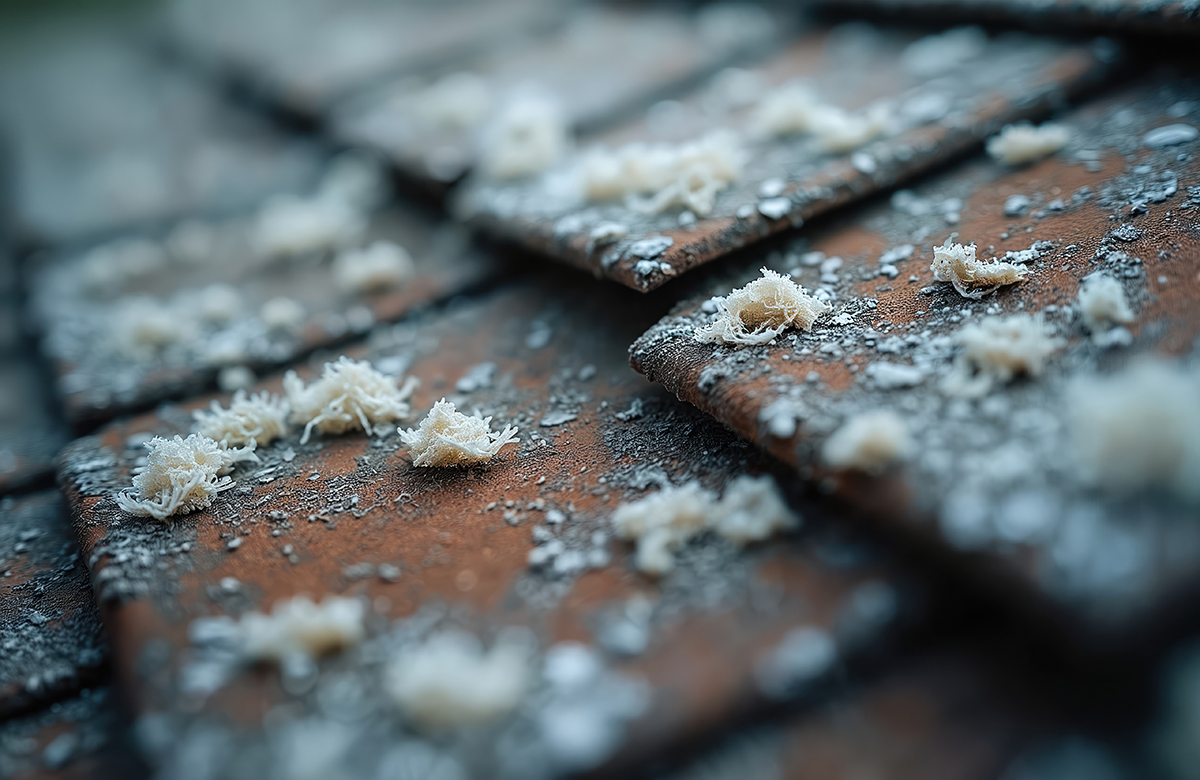
- Gray-Brown or Silver-Gold Colour: Vermiculite insulation is often grey-brown or silver-gold in colour. However, its colour can vary depending on the specific source.
- Pebble-Like Appearance: It is typically composed of small, loose, pebble-like or granular particles that can range in size from a few millimetres to several centimetres.
- Lightweight and Fluffy: Asbestos-contaminated vermiculite insulation is lightweight and feels fluffy to the touch. It is often described as having a popcorn or popcorn ceiling texture.
- Silver Shiny Flakes: In some cases, you may notice shiny, silver-coloured flakes mixed in with the vermiculite particles. These flakes can be an indicator of asbestos contamination.
Pipe and Block Insulation
Asbestos-containing insulation materials used for pipes, boilers, and structural elements in buildings can take different forms, and their appearance may vary depending on the specific product. However, here are some general characteristics:
- Colour Variations: Asbestos-containing pipe and block insulation can be grey, white, or off-white in colour. Some may have a chalky or dusty appearance due to the presence of asbestos.
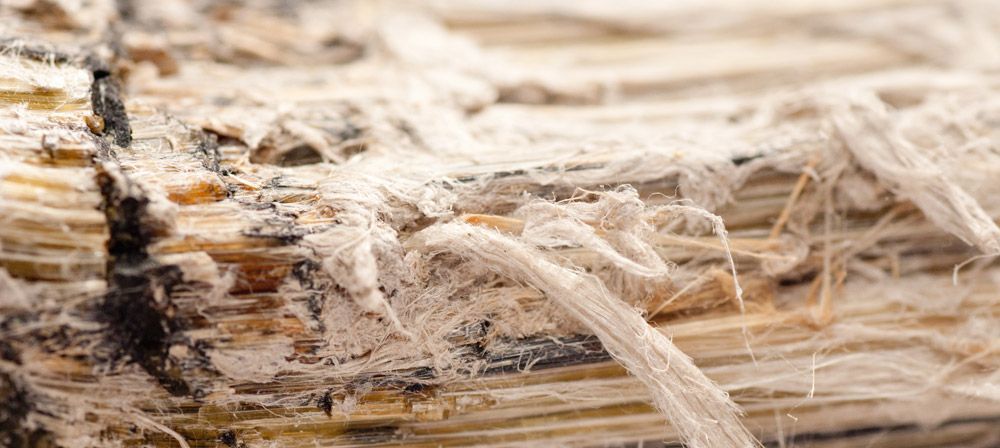
- Fibrous Texture: These insulation materials often have a fibrous or stringy texture when they are damaged or deteriorating. Be cautious when handling any insulation that appears frayed or degraded.
- Wrap or Jacket: In some cases, asbestos insulation may be covered with a protective wrap or jacket made of cloth, paper, or foil. This wrap can have a distinct appearance, such as a white or grey cloth covering.
Ceiling and Wall Insulation
Asbestos-containing insulation used in ceilings and walls can be harder to identify visually since it is typically hidden from view.
These clues are not definitive signs of the presence of asbestos, nor is the lack of these signs indicative of asbestos-free insulation. If you have any concerns regarding the insulation in your property, you must contact asbestos management specialists for professional Asbestos Survey and Sampling.
Dangers of asbestos insulation
The dangers of asbestos insulation primarily revolve around the release of microscopic fibres into the air when the insulation material is disturbed or deteriorates over time. When inhaled, asbestos fibres can become lodged in the lungs and other parts of the respiratory system, leading to serious health issues, including:
Mesothelioma: Mesothelioma is a rare and aggressive form of cancer that primarily affects the lining of the lungs, although it can also affect the lining of the abdomen or heart. Asbestos exposure is the leading cause of mesothelioma, and it has no known cure.
Asbestosis: Asbestosis is a chronic lung condition characterised by scarring of lung tissue. This scarring can cause shortness of breath, coughing, and a reduced ability to inhale oxygen. It is a progressive disease caused by excessive and prolonged exposure to asbestos.
Lung Cancer: Exposure to asbestos also increases the risk of developing lung cancer, particularly in individuals who smoke. The combination of smoking and asbestos exposure significantly multiplies the risk.
How to replace asbestos insulation
If you’ve discovered that your home contains asbestos insulation, it’s essential to address the issue promptly and safely.
1. Hire asbestos removal professionals
The first and most crucial step in replacing asbestos insulation is to hire certified asbestos removal professionals.
Attempting to remove asbestos insulation on your own is not only dangerous but often illegal due to the health risks involved. Certified professionals have the necessary training and equipment to safely handle asbestos-containing materials, including the initial sampling and survey.
2. Assessment and inspection
Once you’ve hired professionals, they will conduct a thorough assessment and inspection of your home to determine the extent of asbestos contamination. This inspection will help them develop a detailed plan for the safe removal of asbestos-containing insulation.
The team conducting the removal will wear specialised protective gear, including respirators, coveralls, gloves, and goggles, to shield themselves from asbestos exposure.
3. Containment
Before any removal work begins, the area containing asbestos insulation must be isolated and properly sealed to prevent the spread of asbestos fibres. This containment process typically involves using plastic sheeting and negative air pressure systems to ensure that no asbestos particles escape into other parts of your home.
4. Wetting
To minimise the release of asbestos fibres into the air, the insulation will be thoroughly wetted down before removal. This helps to keep the fibres from becoming airborne during the removal process.
5. Removal
Asbestos-containing insulation will then be carefully detached and bagged. The professionals will use hand tools or equipment specifically designed for asbestos removal. The material will be placed in sealed, labelled bags for proper disposal.
6. Cleaning and Decontamination
After the asbestos insulation has been removed, the affected area will undergo a meticulous cleaning and decontamination process. This includes wiping down surfaces, using HEPA vacuums, and ensuring that no asbestos residues remain.
7. Post-Removal Inspection
Once the removal and cleaning process is complete, a post-removal inspection will be conducted to ensure that all asbestos has been properly removed and that the area is safe for reoccupation.
8. Proper Disposal
Asbestos-containing materials must be disposed of in accordance with local regulations and guidelines. Certified professionals will transport the sealed bags of asbestos waste to an approved disposal site.
9. Re Insulation
After the asbestos insulation has been safely removed and the area cleared for reoccupation, you can consider replacing it with modern, asbestos-free insulation materials. This is an excellent opportunity to improve the energy efficiency of your home and enhance its overall comfort.
10. Documentation
Keep all documentation related to the asbestos removal process for your records. This may be important for future reference or when selling your home.
Safety measures
If you suspect there might be asbestos in your property’s insulation, ensure you follow these steps:
- Do Not Disturb: Avoid any activities that may disturb or damage the insulation, such as drilling, cutting, or hammering.
- Consult Professionals: Hire certified asbestos abatement professionals to assess and safely remove asbestos-containing insulation if necessary.
- Testing: If you are uncertain about the presence of asbestos, have samples of the insulation tested by accredited laboratories.
- Replacement: If asbestos is confirmed, it is advisable to have the insulation replaced with modern, asbestos-free alternatives by professionals.
If you have concerns about asbestos in your home’s insulation, it’s crucial to seek professional guidance to ensure the safety of your living space. Asbestos awareness and proactive measures can help you create a healthier and safer environment for you and your family.
Frequently asked questions about asbestos in thermal insulation
Does all old thermal insulation contain asbestos?
No. Not all older insulation contains asbestos, but any insulation installed before 1999 (when asbestos was fully banned in the UK) should be treated as a potential risk. High-risk materials include loose fill cavity insulation, pipe lagging, asbestos insulating board (AIB), and sprayed coatings. Only laboratory testing can confirm whether asbestos is present.
How much asbestos is in thermal insulation boards (AIB)?
Asbestos insulating board (AIB) typically contains between 16% and 40% asbestos by weight, most commonly amosite (brown asbestos). This makes AIB one of the higher-risk materials if disturbed. Licensed removal is required for most AIB work under the Control of Asbestos Regulations 2012.
Is vermiculite insulation always contaminated with asbestos?
Not all vermiculite contains asbestos. However, vermiculite sourced from the Libby, Montana mine is known to have contained up to 26% tremolite asbestos as a natural contaminant. If you have loose vermiculite insulation in your loft and your home was built before 1990, professional testing is recommended.
What does the HSE say about asbestos in thermal insulation?
The HSE classifies any material with more than 0.1% asbestos by weight as an asbestos-containing material (ACM). The Control of Asbestos Regulations 2012 requires that ACMs in non-domestic premises be identified, assessed, and managed or removed by licensed contractors. Homeowners are advised to have suspected materials tested before any work is carried out.
Should I remove asbestos insulation or leave it in place?
If the insulation is in good condition and is not being disturbed, the HSE generally recommends managing it in place rather than removing it, as removal itself can release fibres. However, if the insulation is damaged, deteriorating, or renovation work is planned, licensed removal by a qualified contractor is the safest approach. Always get a professional asbestos survey before making a decision.
Contact Cordtape Environmental for professional Asbestos Survey and Removal services as well as expert Asbestos Removal and Asbestos Waste Management.
If you require licensed asbestos removal, our expert team can help you.