If you’ve been exposed to asbestos, even in a minor capacity, you may be wondering exactly what the dangers are and how this will impact you. Nerves are normal. Asbestos is far more nuanced than a number of news articles perceive it to be, but it is clear that any quantity of asbestos can be dangerous. Knowing this, is there any clear data that outlines how much asbestos exposure can cause asbestos related diseases?
As licensed asbestos contractors, Cordtape Environmental understands its risks implicitly; it is our duty to spread awareness on the risks of asbestos.
Can asbestos exposure be safe?
There is no scientific measure that describes any amount of asbestos exposure as risk free. Data surrounding asbestosis cannot outline whether there is a minimum volume of fibres that cause disease.
Not every person who encounters asbestos will develop asbestos related diseases. Most people who experience limited or one time exposure to asbestos will not develop mesothelioma or asbestosis. However, as far as we know, it is entirely possible for someone who has had a singular instance of asbestos exposure to develop asbestos related cancers.
What we do know is that certain factors put you at greater risk. These include:
- Duration of exposure
- Repetition of exposure
- Method of exposure
- Type of asbestos
- Whether the asbestos is friable or not friable
How much asbestos exposure is dangerous?
The risk of developing an asbestos related disease increases as the cumulative exposure increases.
A study conducted by the Agency for Toxic Substances and Disease Registry found that “asbestotic changes are common following prolonged exposures of 5 to 20 fibres/ml, corresponding to cumulative exposures of 50 to 200 fibres/year/ml for a 10 year exposure.”
Cumulative exposure refers to the overall amount of asbestos fibre exposure someone experiences over time. A person who repeatedly works with asbestos containing materials for years may accumulate considerably more exposure than someone who briefly encounters a small amount of asbestos dust once in a public building.
For example, if a hotel was built using asbestos containing materials that have become worn and damaged over time, the individuals who work in the hotel would be more at risk than a guest.
Factors that can influence asbestos exposure include:
- How many asbestos fibres were present in the air?
- How long did the person breathe the contaminated air?
- Was this a single event or did exposure happen repeatedly?
- Was the asbestos containing material damaged, drilled, cut or broken?
- How readily could the particular ACM release fibres?
- Was the exposure indoors, enclosed or poorly ventilated?
- Was appropriate protection being used?
- Has the person experienced other asbestos exposure throughout their working life?
Short term vs long term asbestos exposure
Long term asbestos exposure
Long term asbestos exposure occurs when someone is repeatedly exposed to asbestos over an extended period of time. This stemmed from working in an industry where asbestos was used repeatedly. Although it is rare for someone to be exposed to asbestos over a long period of time after its ban in 1999, anyone who worked around asbestos before this date, or who is working in a building with unidentified or damaged asbestos containing materials may still be at risk.
Repeated exposure might occur when someone:
- Regularly works on older buildings
- Carries out maintenance without identifying ACMs
- Frequently drills or cuts asbestos containing materials
- Works in asbestos removal
- Disturbs asbestos insulation
- Carries out refurbishment in older properties
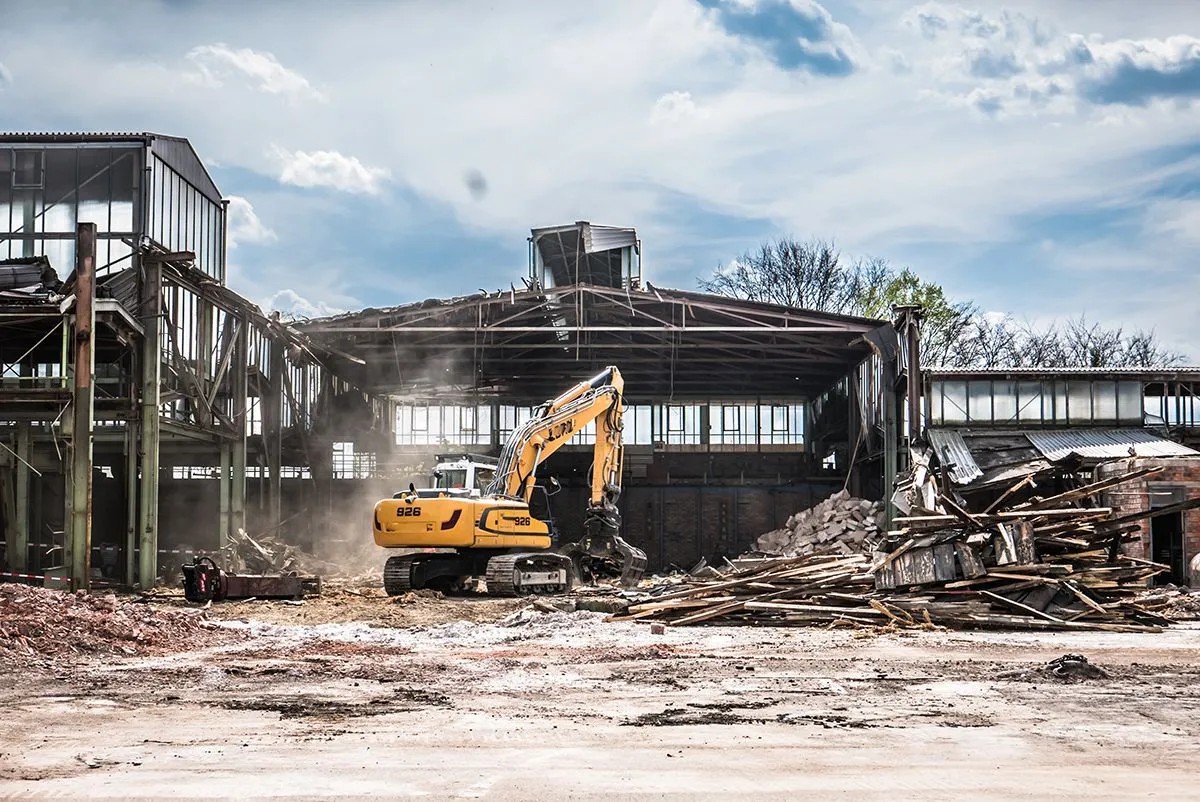
- Works in demolition
- Handles asbestos containing waste
- Is repeatedly exposed to asbestos dust at work
Short term asbestos exposure
A single exposure can potentially contribute to asbestos related disease, but the risk from a single brief exposure is much lower than the risk associated with repeated or prolonged exposure.
It is rare to experience the symptoms of asbestos related diseases without cumulative build up of asbestos fibres in your lungs, however you can visit your local GP if you are concerned.
Short term exposure can occur when someone:
- Accidentally drills into an asbestos containing board
- Disturbs an asbestos containing ceiling tile
- Breaks an asbestos cement product
- Enters an area where asbestos removal is taking place without adequate controls
- Disturbs an unknown material during home renovation
- Is exposed during demolition or building maintenance
- Encounters damaged ACMs following a fire or other incident
Asbestos related diseases
Asbestos exposure can cause several serious diseases, although the likelihood and nature of the disease depend on the exposure history and other factors.
The main asbestos related diseases are:
- Cancers: Asbestos exposure can lead to laryngeal cancer, lung cancer and mesothelioma. It has also been linked to ovarian cancer, although the full extent of cancers induced by asbestos in the body is unknown.
- Asbestos specific diseases: Prolonged exposure to asbestos can lead to pleural thickening, Atelectasis and other diseases.
- Asbestosis: This disease is specific to asbestos exposure with symptoms including shortness of breath, persistent cough, wheezing, fatigue, chest and shoulder pain. These symptoms are likely to appear after 20-30 years.
Which asbestos diseases are linked to higher exposure?
Different asbestos related diseases have different relationships with exposure.
Chronic low level inhalation exposure can cause pleural disorders, mesothelioma and lung cancer. Chronic high dose exposure is more likely to be associated with asbestosis as well as lung cancer.
Prolonged exposure can be linked to:
- Mesothelioma can occur following relatively low or short exposure, although risk increases with greater exposure
- Asbestos related lung cancer is associated with asbestos exposure, with risk increasing with cumulative exposure
- Asbestosis is more strongly associated with heavy and prolonged exposure
- Pleural thickening is generally associated with more substantial exposure
- Pleural plaques can occur following asbestos exposure and indicate previous contact with asbestos fibres
How does asbestos exposure lead to disease?
Asbestos related diseases occur when airborne fibers are inhaled. Once inhaled, some fibres can reach deeper parts of the respiratory system. Longer fibres can be more difficult for the body to clear and may remain in lung tissue for prolonged periods of time. Fibre size and shape influence where fibres are deposited and how effectively the body can clear them.
When an asbestos containing material is intact and left undisturbed, the potential for airborne exposure is generally much lower. The risk can change when the material is damaged or disturbed. Activities such as drilling, cutting, sanding, breaking or aggressive removal can release fibres into the air.
Persistent fibres cause inflammation, tissue damage and scarring. Over a much longer period, these processes can contribute to the development of asbestos related disease.
Does the type of asbestos affect the risk?
The characteristics of the asbestos fibres can influence their toxicity. There are several recognised asbestos minerals, broadly divided into serpentine and amphibole groups.
The most commercially important forms include:
- Chrysotile, or white asbestos
- Amosite, or brown asbestos
- Crocidolite, or blue asbestos
How long does it take for asbestos related diseases to develop?
Asbestos related diseases have long latency periods. This means there can be a substantial gap between the original exposure and the appearance of disease.
It can take 20 to 30 years to develop symptoms following exposure. If you develop any of the following symptoms and have a known history of asbestos exposure, however brief, you should seek medical attention as soon as possible:
- A persistent cough
- Shortness of breath
- Wheezing when you breathe
- Unexplained, persistent fatigue
- Pain in your chest
What should you do if you have been exposed to asbestos?
If you believe you have been exposed to asbestos, the first step is to stop any further exposure. If the exposure occurred during building work, leave the affected area and do not continue disturbing the suspected ACM.
If the incident occurred at work, report it to the appropriate person within the organisation and make sure the circumstances are recorded.
It can be useful to record:
- The date of the incident
- Where it happened
- What material was involved
- What work was being carried out
- How long you were exposed
- Whether visible dust was present
- Whether the material was damaged or disturbed
- Whether respiratory protection was being used
- Whether there may have been previous asbestos exposure
How can asbestos exposure be prevented?
The best way to reduce the risk of asbestos related disease is to prevent exposure to airborne asbestos fibres. For property owners and contractors, there is a responsibility to identify risk before work begins.
Before refurbishment, maintenance or demolition, consider:
- Is the building old enough to contain asbestos?
- Is there an existing asbestos survey?
- Are ACMs known to be present?
- Could the planned work disturb them?
- Is additional sampling required?
- Does the work need a licensed asbestos contractor?
- How will the work area be controlled?
- How will asbestos waste be contained and disposed of?
The signs of asbestos exposure are often subtle and easy to overlook, particularly in the early stages. Because of the long delay between exposure and illness, prevention remains the most effective way to protect your health. Identifying asbestos before it is disturbed, and taking appropriate action, is essential.
At Cordtape, we can assist you with locating and identifying Asbestos Containing Materials on your premises with our Asbestos Survey and Sampling service. If we do locate the presence of asbestos, our Asbestos Removal team will extract it from your premises in accordance with Control of Asbestos Regulations 2012.
Our team is fully qualified to manage all aspects of asbestos assessment, removal, refurbishment and waste management so you don’t need to live in fear of the risk this dangerous material poses.