What is the difference between asbestos and artex?
This is a subtitle for your new post
Asbestos and artex are words that often get tangled together, and it’s easy to see why. When asbestos was used as a primary ingredient in many textured walls before 1999, it is understandable that a textured wall or ceiling in a property would be cause for concern, particularly during renovation work. However, despite their common link, the two terms mean very different things, and understanding the distinction is essential for managing risks safely and responsibly.
At
Cordtape Environmental,
we’re often asked whether a textured ceiling contains asbestos or whether it’s just Artex. So we decided to clear up confusion and give you the information you need to make informed decisions about your home.
Asbestos vs Artex
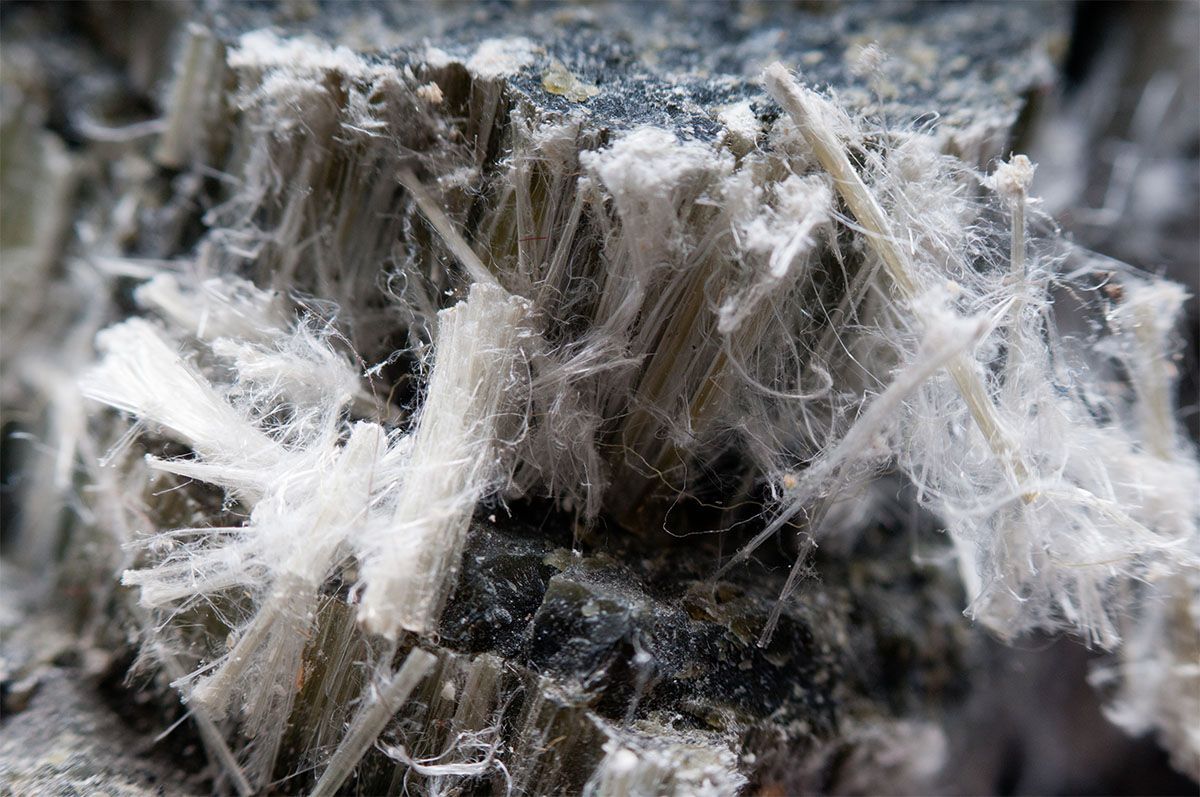
Asbestos is a naturally occurring mineral fibre that was added to a huge range of building materials in the 20th century because it offered fire resistance, insulation and durability. It’s not a decorative product, it’s an industrial raw material that was blended into other things to make them stronger or more heat resistant.
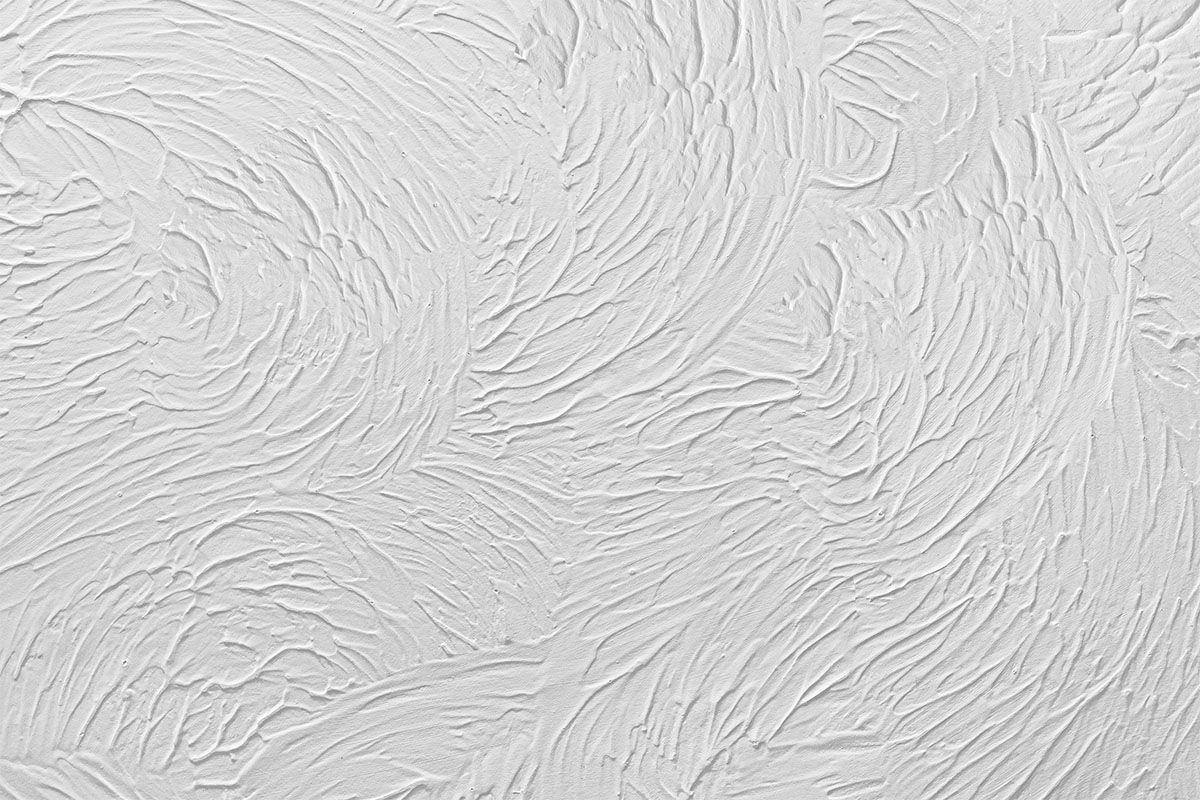
Artex, on the other hand, is simply a textured decorative coating. It was frequently used between the 1960s and late 1990s to create swirls and patterns on ceilings and walls. Artex itself is a brand name, although people often use it to refer to textured coatings in general.
Where the confusion arises is that some older Artex products contained asbestos, usually in small amounts, to help with strength and application. That’s why people often look at textured walls and understandably want to know whether it contains asbestos.
Does Artex contain asbestos?
Not always.
But, if your textured coating was applied before 1999, there is a realistic chance it contains asbestos.
Manufacturers gradually phased out asbestos as awareness grew around the health risks. However, old stock was still used on building sites for years afterwards, meaning age alone isn’t a perfect indicator. To complicate things further, Artex containing asbestos and asbestos free Artex look identical, so you can’t tell by sight.
If you’re wondering how to tell if Artex contains asbestos, the answer is simple: you can only know through a professional sample and laboratory analysis. A UKAS accredited asbestos lab will identify whether asbestos is present and, if so, what type.
How much asbestos is in Artex?
Textured coatings that contain asbestos typically have very low levels of it present, usually:
- 1–4% asbestos by weight, and
- almost always chrysotile (white asbestos).
Although the percentage is low, asbestos fibres are dangerous not because of volume but because of behaviour. When disturbed, they release microscopic fibres that can be inhaled, and the health effects may only become apparent decades later.
This is why even small amounts of asbestos must be handled with care, proper controls and trained professionals.
How dangerous is asbestos in Artex?
This is one of the most common concerns among homeowners, and understandably so. The good news is if asbestos containing Artex is in good condition and left undisturbed, the risk is low.
The asbestos is locked into the textured coating, reducing the chance of fibres escaping. The danger arises when it is disturbed, such as through:
- Scraping
- Sanding
- Drilling
- Replastering
- Removal without proper controls
Any of these actions can release fibres into the air, creating a risk of exposure. This is why DIY removal of textured ceilings is strongly discouraged.
What type of asbestos is found in Artex?
In almost all cases, textured coatings containing asbestos use Chrysotile (white asbestos).
It was the most commonly used and was favoured for its flexibility and ease of blending into decorative products. While chrysotile is considered less hazardous than other forms such as amosite or crocidolite, it is still a Class 1 carcinogen and must be treated with the same level of caution.
How to tell if Artex contains asbestos
Unfortunately, there are no visual clues. You can’t identify asbestos by colour, pattern or texture.
The only reliable method is a professional asbestos test.
A trained surveyor takes a small, controlled sample and sends it to an accredited laboratory for analysis. Trying to take your own sample can disturb the surface and release fibres, so always leave this to a competent person.
If your home was built or renovated before 1999, especially between the 60s and 80s, testing is always advisable before any drilling, plastering or renovation work.
Can you plaster over Artex that contains asbestos?
Yes, it is often perfectly safe to plaster over asbestos containing Artex, as long as the surface is sound and it is not disturbed in the process.
The main approaches are:
1. Skimming over the existing surface
This involves applying a thin layer of plaster. It must be done gently and correctly to avoid disturbing the underlying coating.
2. Overboarding
Fixing plasterboard over the Artex and then finishing it with skim plaster. This is one of the safest and most popular methods because it avoids disturbing the original surface altogether.
3. Removing the Artex
Removal should only be carried out by trained professionals using appropriate control measures. It is more invasive and often more costly, but may be the right choice if the ceiling is damaged or you are undertaking major renovation.
How much does it cost to remove asbestos Artex?
Costs vary depending on:
- Room size
- Height and accessibility
- Condition of the coating
- Whether full enclosure or air monitoring is required
- Disposal and waste transfer fees
Every property is different, so it’s best to request a quote from an experienced asbestos specialist who can assess your specific situation.
What to do if you think your Artex contains asbestos
Typically, prior to purchase, an asbestos survey of the property should be conducted, and any findings made clear to prospective buyers. That being said, it is possible to miss if the property hasn’t been correctly assessed by professionals. If you think your Artex ceiling may contain asbestos and you are planning on renovating, you should do the following:
Use this step by step checklist before you renovate, repair or drill into a textured ceiling or wall.
1. Check the age of your property: Built or renovated before 1999? Treat the Artex as potentially containing asbestos.
2. Inspect the surface (visually only): Is it damaged, flaking or crumbling? If yes, avoid touching it and seek professional advice.
3. Avoid disturbing the surface: Don’t sand, scrape or drill until you know what you’re dealing with.
4. Arrange professional testing: A trained surveyor will take a sample safely and confirm whether asbestos is present.
5. Decide on the best approach: Leave it undisturbed, plaster or overboard it, or opt for professional removal.
6. Don’t attempt DIY removal: It may release fibres and expose you to unnecessary risk.
7. Keep records: If you sell your home in the future, evidence of testing or professional work can be helpful.
Asbestos and Artex are not the same thing, but Artex applied before 1999 may contain small amounts of chrysotile asbestos. On its own, intact Artex is low risk. Problems arise when it is disturbed, particularly during renovation or DIY projects. Whether you're wondering how much asbestos is in Artex, or how much it is to remove asbestos containing Artex, the safest next step is always the same: test first then take advice from experienced professionals.
The unsafe removal of asbestos from your own home can lead to large fines and serious penalties for those who do not comply with the strict regulations around the safe removal of asbestos.
Your best course of action is to utilise
Cordtape’s
asbestos removal service. We hold a three year Health and Safety Executive Licence and have more than 35 years of experience in getting rid of asbestos from homes up and down the country. Our team can safely dispose of the substance because we are an Environment Agency registered Asbestos Waste Transfer Station, which allows our experts to dispose of the substance safely and without any danger to the wider public.
If you need our services, speak with our team today, and we would be delighted to assist you.
Share on social media